About 1917
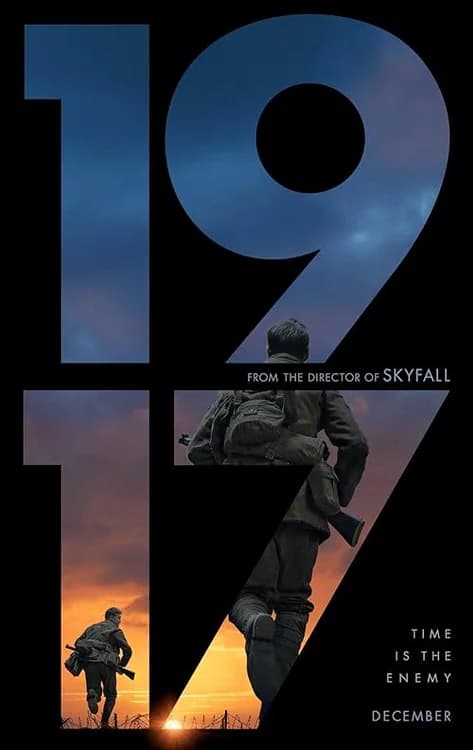
Sam Mendes' 1917 stands as one of the most technically remarkable war films ever made, presenting World War I through an immersive, seemingly single-take experience that plunges viewers directly into the trenches. The film follows young British soldiers Schofield (George MacKay) and Blake (Dean-Charles Chapman) on a desperate mission across no-man's-land to deliver a message that could prevent 1,600 men, including Blake's brother, from walking into a German trap.
What makes 1917 truly exceptional is Roger Deakins' breathtaking cinematography, which creates the illusion of a continuous shot, making the audience feel they're experiencing the soldiers' harrowing journey in real time. This technical achievement serves the emotional core perfectly, amplifying the tension and immediacy of their mission. George MacKay delivers a career-defining performance, conveying immense physical and emotional strain with remarkable subtlety.
The film masterfully balances intimate character moments with spectacular set pieces, from haunting nighttime sequences illuminated by flares to the ruins of a French village. Thomas Newman's score provides emotional depth without overwhelming the naturalistic tension. Viewers should watch 1917 not just for its technical brilliance, but for its powerful human story about courage, sacrifice, and the individual's role in the vast machinery of war. It's a cinematic experience that stays with you long after the credits roll, offering both visceral thrills and profound emotional resonance.
What makes 1917 truly exceptional is Roger Deakins' breathtaking cinematography, which creates the illusion of a continuous shot, making the audience feel they're experiencing the soldiers' harrowing journey in real time. This technical achievement serves the emotional core perfectly, amplifying the tension and immediacy of their mission. George MacKay delivers a career-defining performance, conveying immense physical and emotional strain with remarkable subtlety.
The film masterfully balances intimate character moments with spectacular set pieces, from haunting nighttime sequences illuminated by flares to the ruins of a French village. Thomas Newman's score provides emotional depth without overwhelming the naturalistic tension. Viewers should watch 1917 not just for its technical brilliance, but for its powerful human story about courage, sacrifice, and the individual's role in the vast machinery of war. It's a cinematic experience that stays with you long after the credits roll, offering both visceral thrills and profound emotional resonance.